

How Hard Water Slowly Damages a Tankless Water Heater
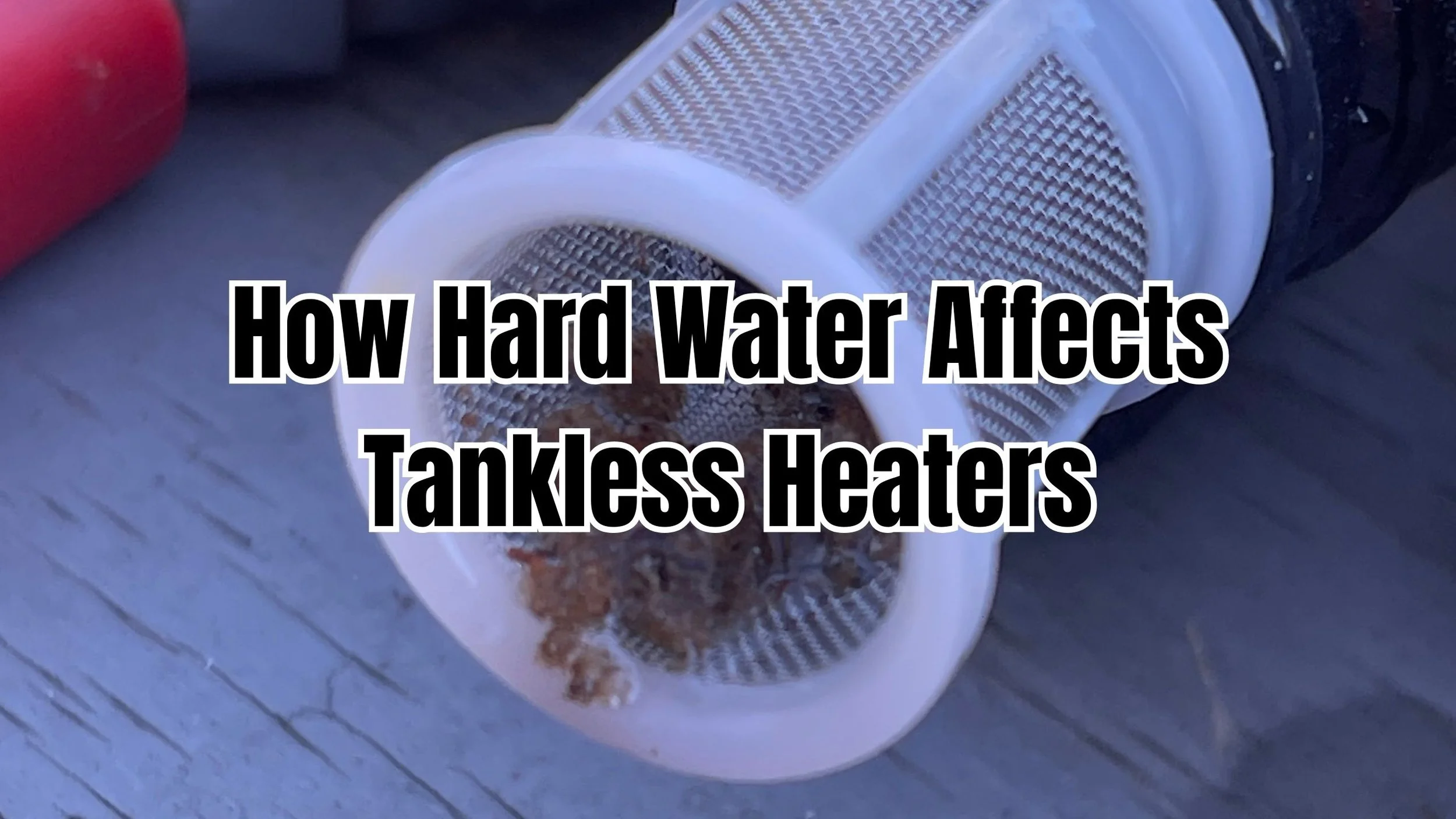
Hard water is one of the most misunderstood issues homeowners deal with. Most people assume that if the water still heats, everything must be fine. But inside a tankless system, hard water causes damage gradually — and quietly.
Here’s how it happens and why it matters more than most people realize.
What “Hard Water” Actually Means for Tankless Systems
Hard water contains minerals like calcium and magnesium. When water is heated, those minerals separate and stick to the hottest surfaces inside the heater.
Over time, they form scale inside the heat exchanger — the most critical part of the system.
The Long-Term Effects of Hard Water
As scale builds up, homeowners may notice:
• Reduced hot water flow
• Slower heat-up time
• Temperature swings
• Increased system noise
• Higher internal temperatures
• Burner working harder than necessary
None of this happens suddenly. It builds slowly, which is why many homeowners don’t connect the dots.
Why Tankless Units Are More Sensitive Than Tank Heaters
Tankless heaters move water through narrow copper channels at high temperatures. Even a thin layer of scale restricts flow and traps heat.
Tank heaters tolerate scale longer. Tankless units do not.
Why Annual Descaling Stops the Damage
A professional descaling service:
• Dissolves mineral buildup before it hardens
• Keeps internal pathways open
• Reduces strain on the burner
• Maintains efficiency
• Extends system lifespan
This is why manufacturers recommend yearly maintenance — especially in areas with moderate to hard water.
Bottom Line
Hard water doesn’t ruin a tankless heater overnight. It slowly degrades performance until problems become obvious.
Annual flushing prevents that decline and keeps the system operating the way it was designed.